
GET provides turnkey outsourced solutions for the upstream Oil & Gas industry including Expertise- based services, Training & Consulting, Maintenance and Repair Operations. By leveraging cutting edge technology, we deploy the right expertise, at the right time, at the right cost delivering efficiency, cost effectiveness and operational flexibility to clients through outsourcing in oil and gas industry.
Learn more about usCrew Deployed in Various Locations
Man Days Completed in 2023
PSCM Project Delivered in 2023
Unlock success and innovation with our comprehensive and innovative solutions.

GET Global offers a comprehensive range of procurement and supply chain services that are designed to drive more value across the oil and gas sector enterprises.
Learn more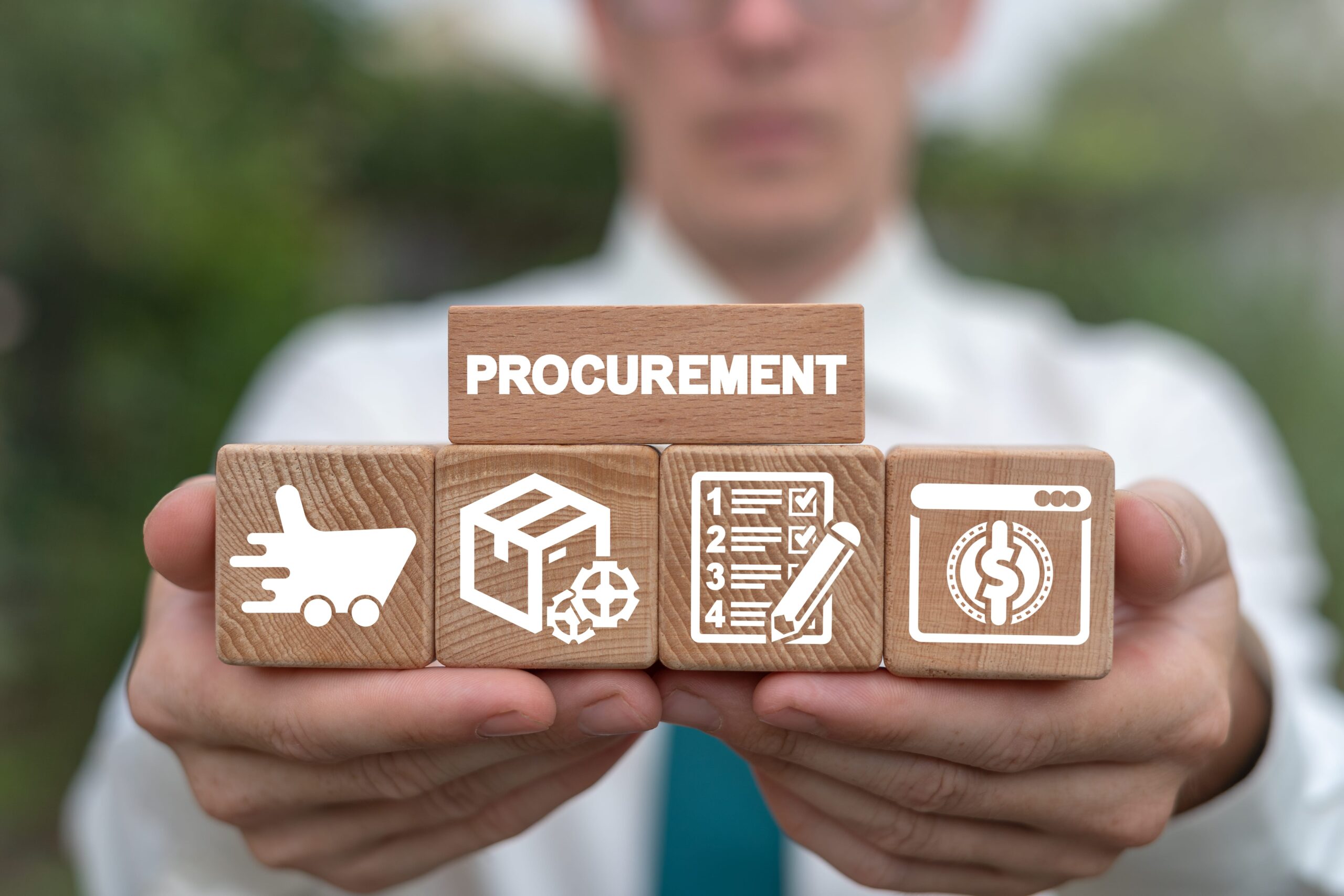
Experience excellence in oil and gas operations with GET Global’s cutting-edge procurement and supply chain solutions, offering a strategic advantage in a dynamic global market.
Learn more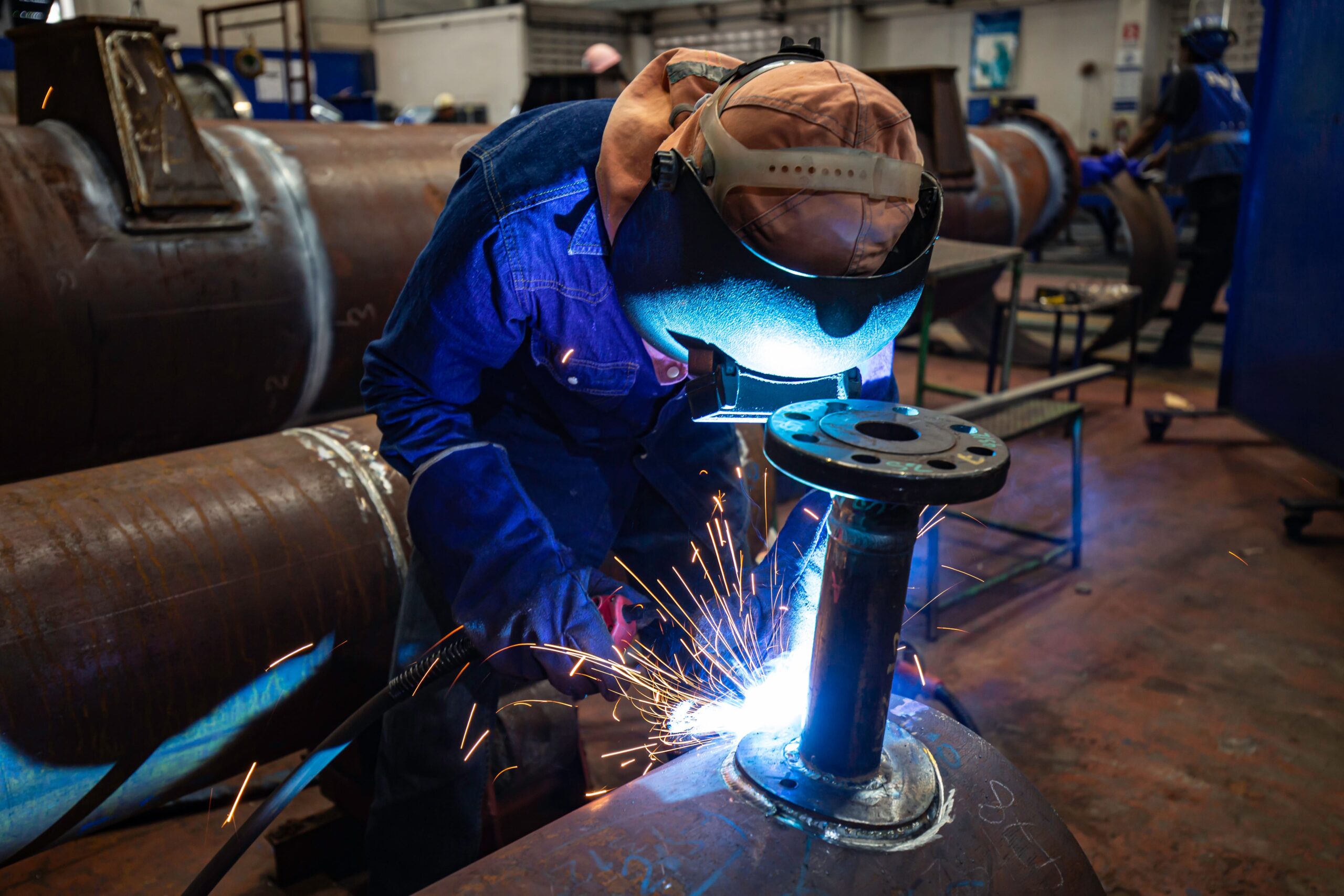
Integrated Maintenance Solutions Integrated Maintenance Solution is an essential tool for upstream oil and gas companies to optimize production without compromising operating safety. Operating in the upstream sector carries a unique set of considerations. Exploring in ultra-deep waters and working with higher temperatures and pressures requires increasing innovation and new […]
Learn more
GET Global offers a comprehensive range of procurement and supply chain services that are designed to drive more value across the oil and gas sector enterprises
Learn moreEmbrace Excellence, Efficiency, and Remarkable results.
Tailored, scalable teams that adapt to client requirements for seamless project management.

Stringent adherence to HSE standards, ensuring top-notch technical results.

Skilled individuals and teams with task-specific knowledge and experience.

Streamlined processes with technology, optimizing the entire service delivery chain.

Quick deployment of teams across diverse client locations, enhancing project flexibility.

Highly effective delivery model to ensure significant cost benefits.
Fostering Trust and Achieving Shared Excellence.





Hear from those who've benefited from our expertise.
GET has been supporting us with our needs for personnel. It has been overall a smooth process. The GET staff is very supportive and responsive. The people provided has in general performed as per expectations.
TRS-SDM
”
Overall good performance by GET crew, active / responsive ground team and GET investigation reports are received in a timely manner.
Operations Team
”
Baker Hughes has been employing the services of GET Global to supply experienced personnel for our Wireline Services Department. They are currently supplying us with several disciplines of wireline Field operators and Base personnel.
Wireline Services
Global Operations, MEAP, Dhahran, Saudi Arabia
Access In-Depth Information and Expertise for Your Industry Needs.